
Hundred Schools Of Contention, Ming And Qing Furniture Genres!
2020/04/28
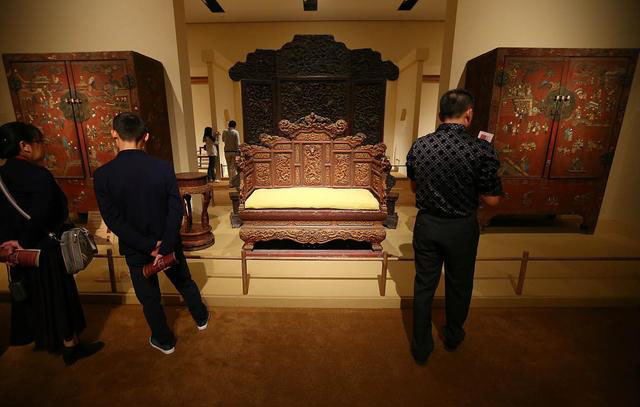
The Ming and Qing furniture has strong regional characteristics, that is, it can be divided into Soviet-style furniture, Beijing-style furniture, Cantonese furniture, Nanjing-style furniture, Huizhou furniture, Yangzhou furniture, Hunan bamboo furniture, Yunnan The eleven factions of furniture, Jinzuo furniture, Hubei tree root and rattan gall furniture, Luzuo furniture, etc., now introduce the characteristics of each school as follows:
Soviet furniture
Su-style furniture mainly refers to furniture made in Suzhou and surrounding areas. There are outstanding people in Suzhou area, and literati and scholars come out in large numbers. Many literati bachelors in furniture production personally participated in the design, so that the Soviet-style furniture has a deep literary popularity. The world-famous Ming-style furniture, mainly Su-style furniture. The Soviet style furniture was formed earlier, and the technical force for making traditional furniture is stronger. Its shape and decoration are simple and elegant. It is famous for its beautiful shape, smooth lines, reasonable structure and materials. Materials are not readily available when making furniture in Suzhou, so they use bagging techniques to make furniture, which requires higher technology than actual production. The surface is usually made of good materials, and the panels are usually pasted with thin plates. Generally, in paint decoration, the skill of paintwork is very high, and it is difficult to see the flaws after it is made. The technique of wrapping is at the level of perfection. Su-style furniture often uses red sandalwood, huanghuali, rosewood, zelkova as the main materials.
Beijing Style Furniture
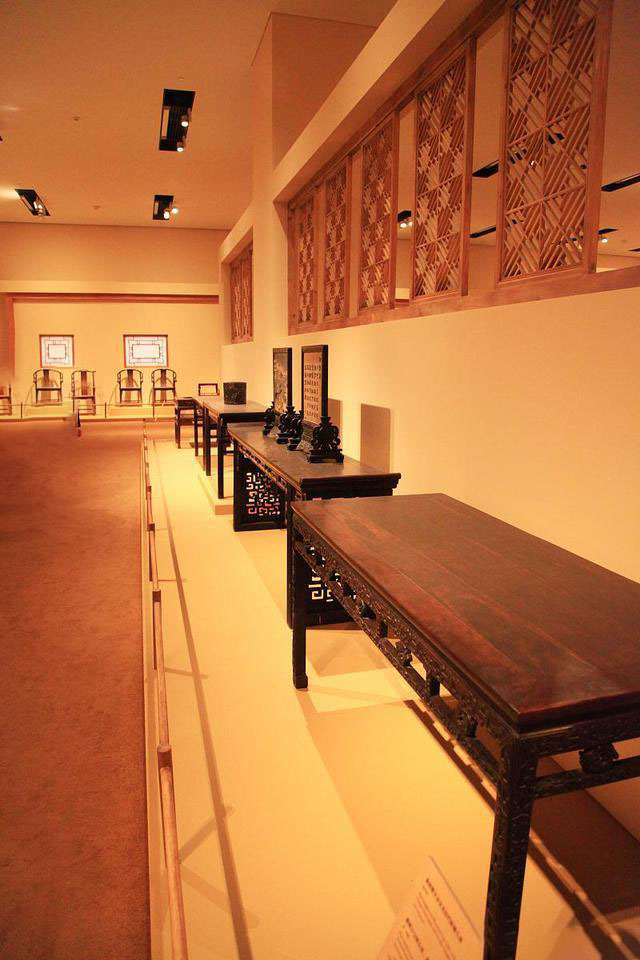
Beijing-style furniture mainly refers to furniture produced in the Beijing area represented by palace utensils. The Beijing-style furniture is generally between the Cantonese and the Su style, the materials used are smaller than the Cantonese style, and more realistic than the Su style. From the appearance, the Beijing style and the Su style tend to be similar in terms of materials. From the point of view of decoration, it has its own unique style compared with other regions. It draws material from the three generations of bronzes and stone carving art of the Han Dynasty collected in the palace, and is cleverly decorated on the furniture. The craftsman applies various patterns of decoration according to different shapes of furniture, which looks ancient and elegant. The Beijing-style furniture of the Qing Dynasty, due to the special requirements of the royal family and nobles, gave a feeling of heavy and generous, gorgeous and luxurious and solemn and majestic. Because of the pursuit of posture in the palace, the furniture has very high requirements on the materials used. The sandalwood is often used as the main material. There are also Huanghua pear, ebony, rosewood, rosewood, nanmu and beech. In order to show the beauty of the wood itself when making Beijing-style furniture, hardwood furniture generally does not need lacquered decoration, but adopts traditional techniques of polishing and waxing.
Latest News
-
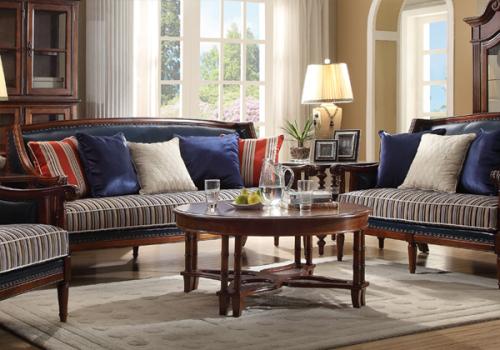 What Are The Characteristics Of American Furniture?2020/04/28
There are many types of American furniture, among which American furniture is one of them, and it is also the current fashion trend. Then we must know where it touches you before purchasing American furniture, so what are the characteristics of American furniture Is it worth buying? Let's take a loo......
-
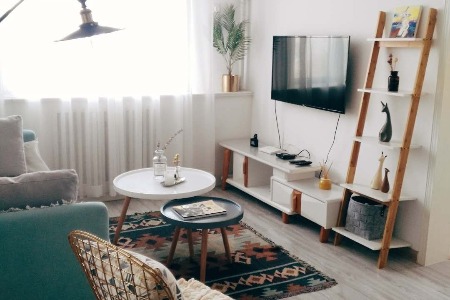 Why Nordic Style Furniture Can Be Popular Nordic Style Furniture Features And Elements2020/04/28
Nowadays, more and more families will choose Scandinavian style decoration, so Nordic furniture has also become popular and favored by many customers. So why did Scandinavian style furniture become popular? There are many reasons for this. Today, the editor will give you a detailed introduction. Let......